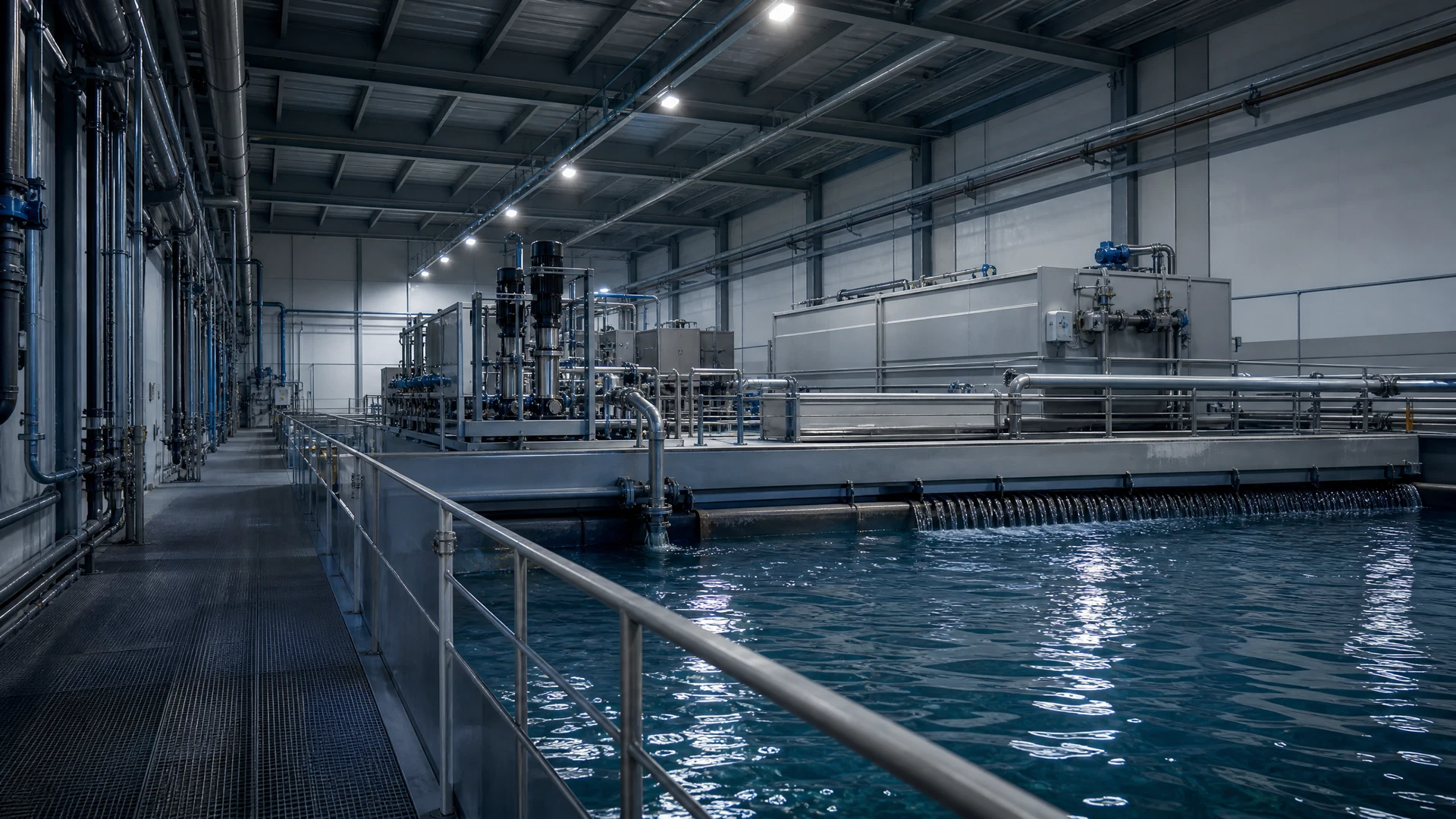
This is an illustrative engineering architecture. It does not represent a named customer, a completed Shengmai project, a guaranteed process result or a final scope of supply.
Start with batch variation rather than a sector label
Textile and dyeing wastewater may change with fabric, recipe, process stage, surfactants, colour, pH and temperature. The architecture identifies useful process questions, but a representative characterization remains essential before separating reference equipment data from final project commitments.
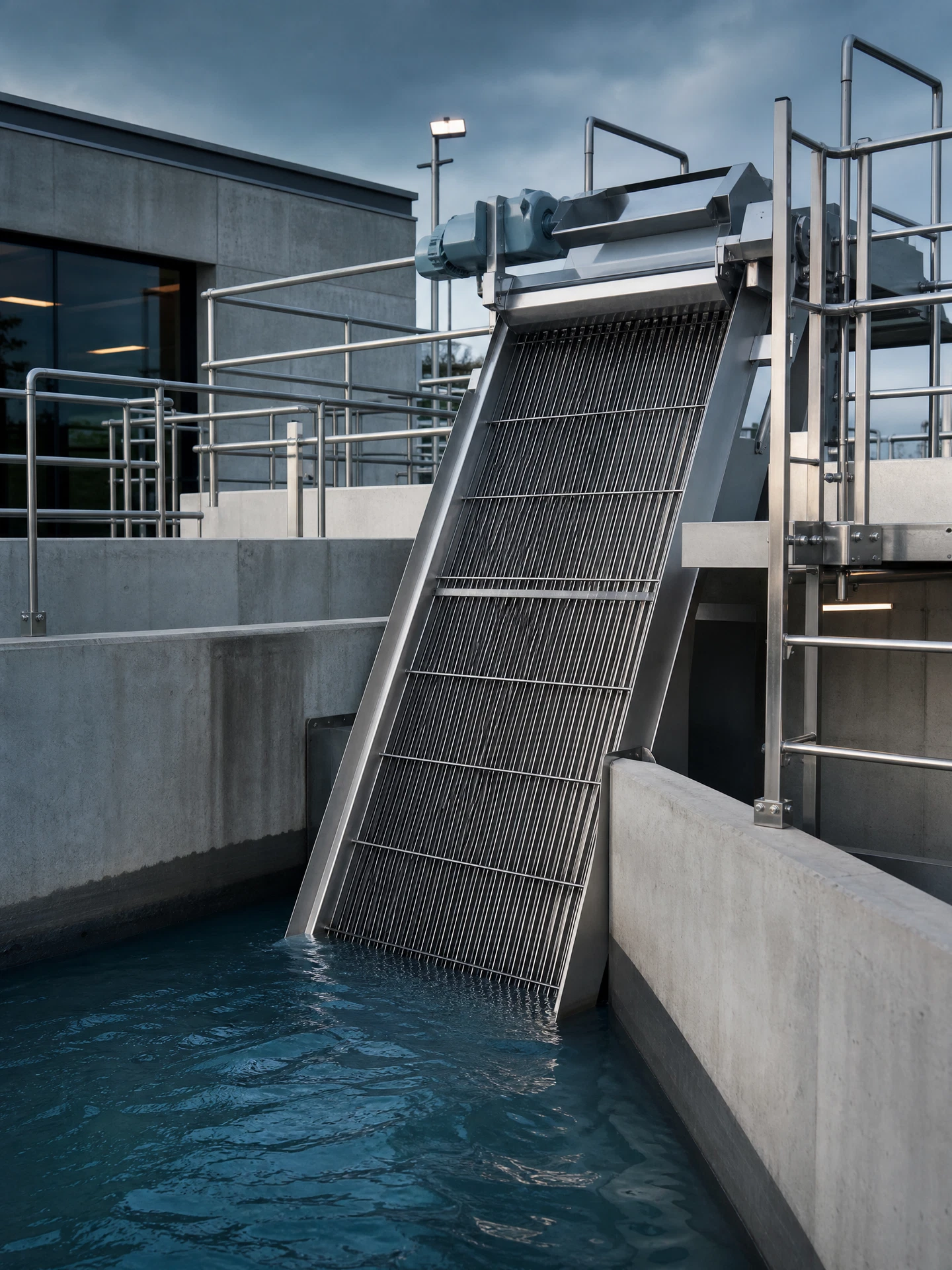
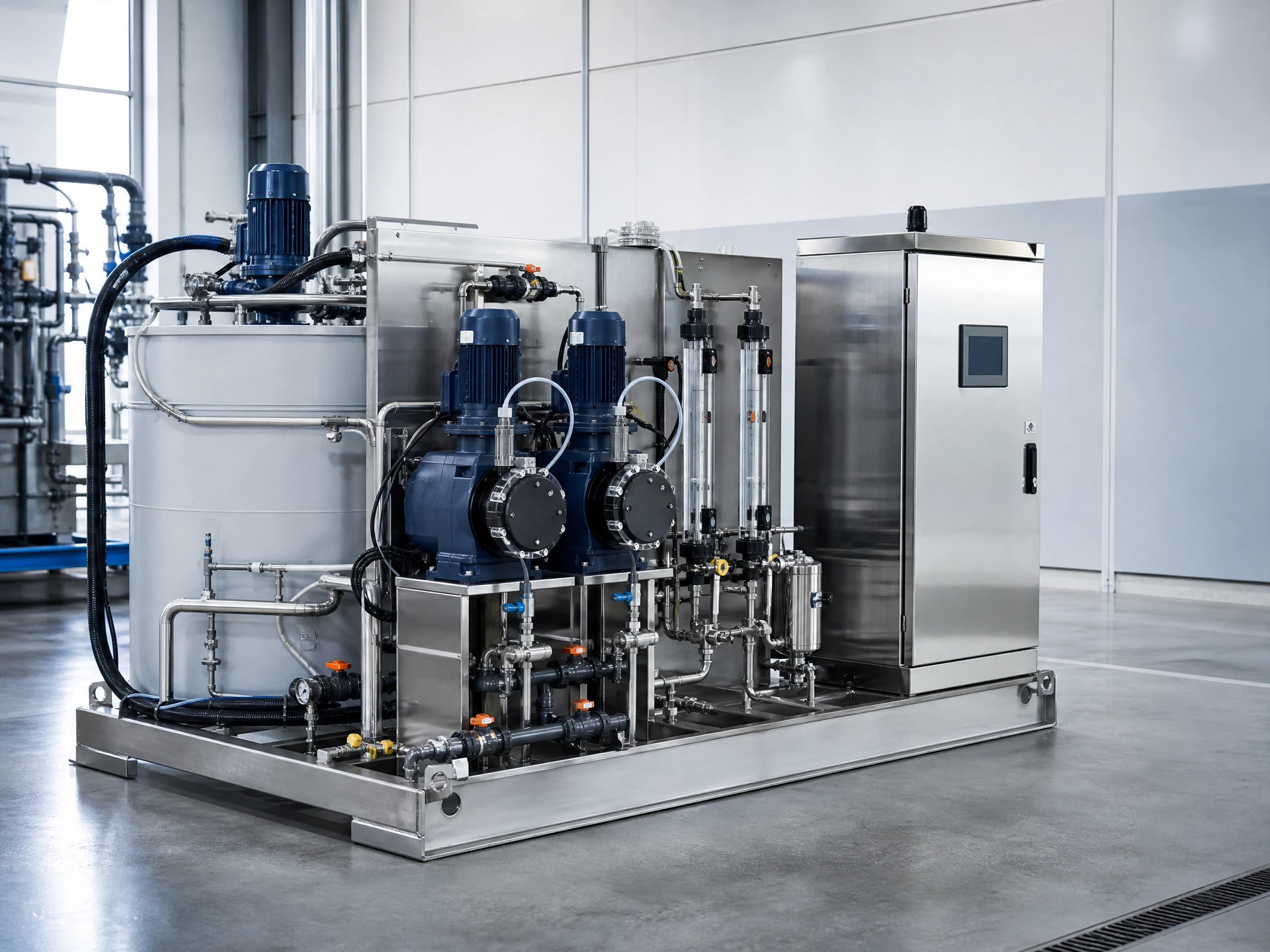
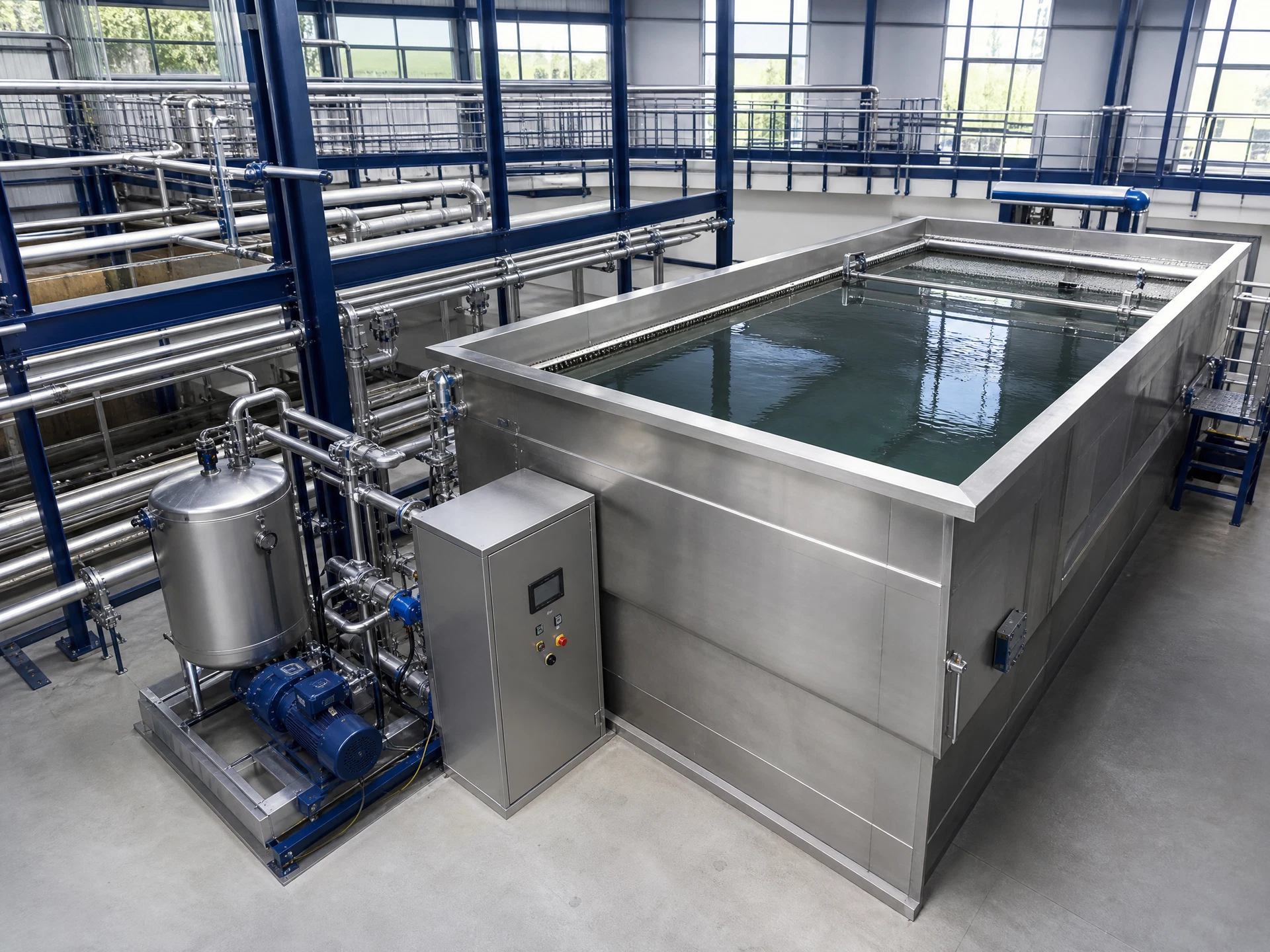
Keep fibres, chemical conditioning and separation connected
Front-end fibre control, equalization and chemical preparation influence the condition presented to flotation. A useful equipment review should describe the actual interfaces, chemical storage constraints, mixing expectation and the path for any separated material.
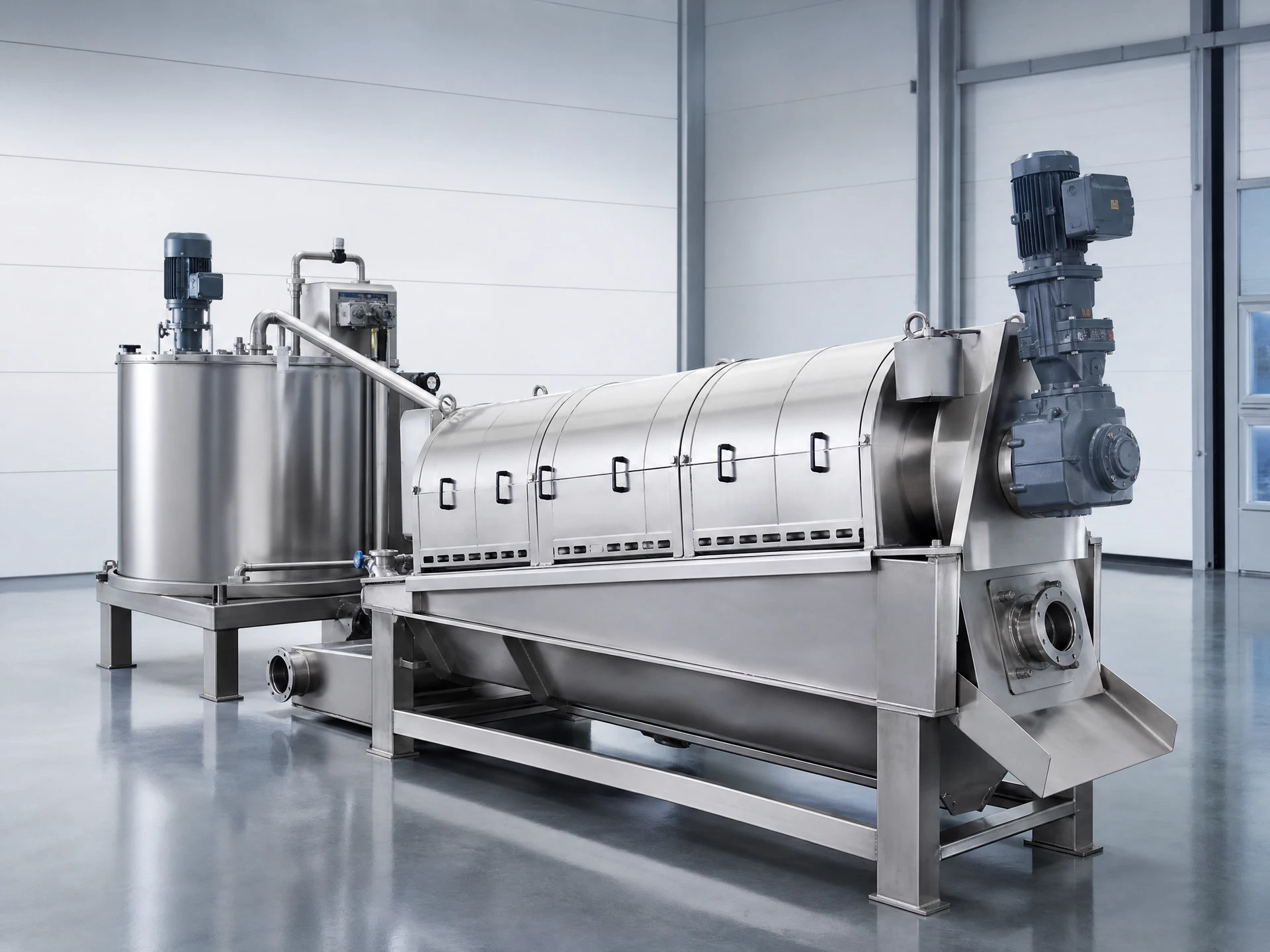
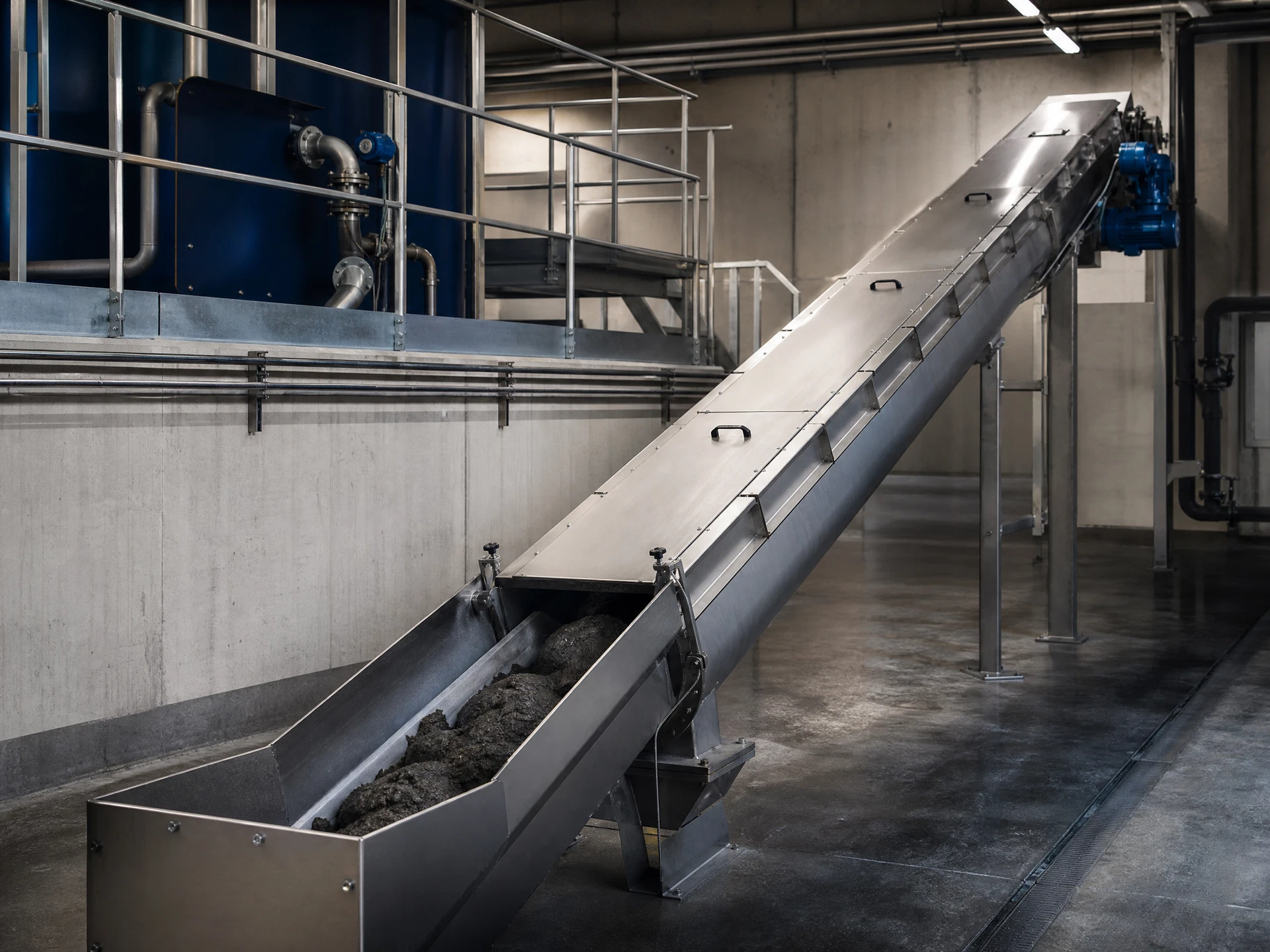
Make the solids line part of the treatment proposal
A flotation decision also creates a requirement for float-sludge collection and onward handling. Dewatering and contained transfer should be assessed with elevation, access, polymer response, cake consistency and final disposal or recovery arrangements.
Use data to define a credible validation path
Sample results, production pattern, current chemicals, target outcome and downstream process requirements create a better basis for technical discussion than a flow figure alone. Any expected performance should be tied to agreed testing and an approved design basis.