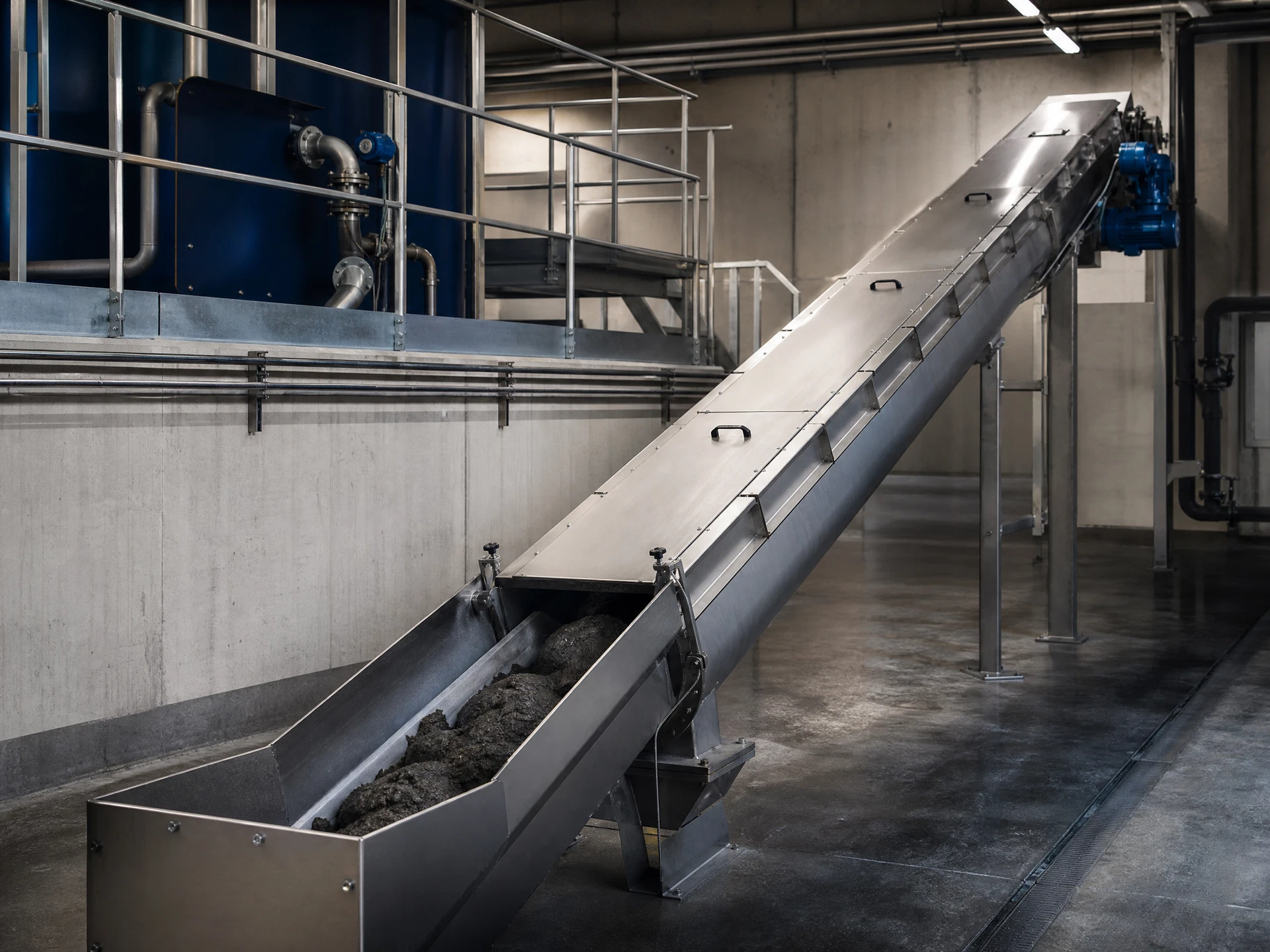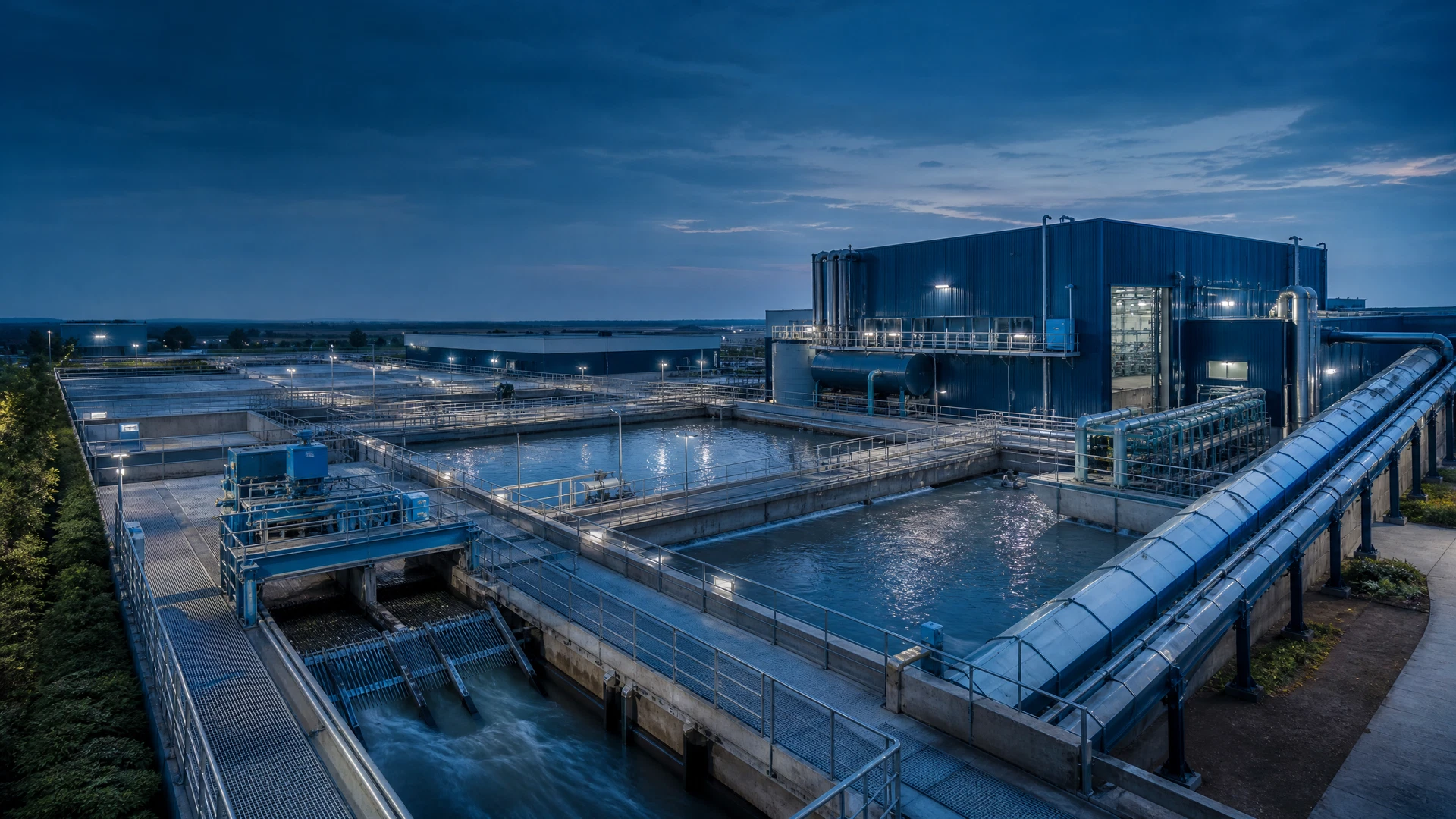
This is an illustrative engineering architecture. It does not represent a named customer, a completed Shengmai project, a guaranteed process result or a final scope of supply.
Plan for changing sources and shifting operating conditions
Centralized treatment facilities may receive variable loads from multiple contributors. This architecture supports early coordination of the front-end, solids-separation and sludge route, but it is not a substitute for confirmed contributor data, design loads or plant process design.
Make package interfaces explicit
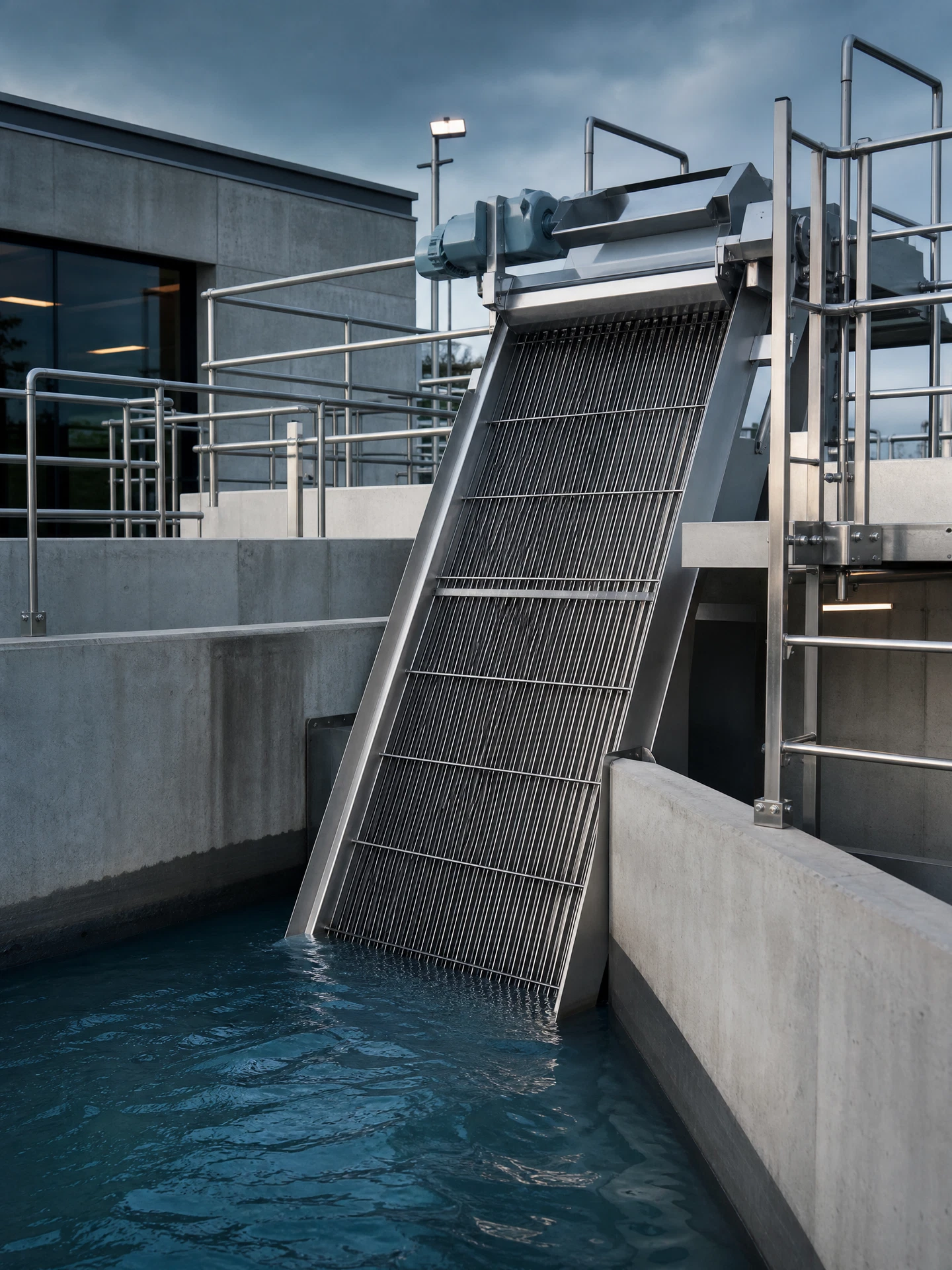
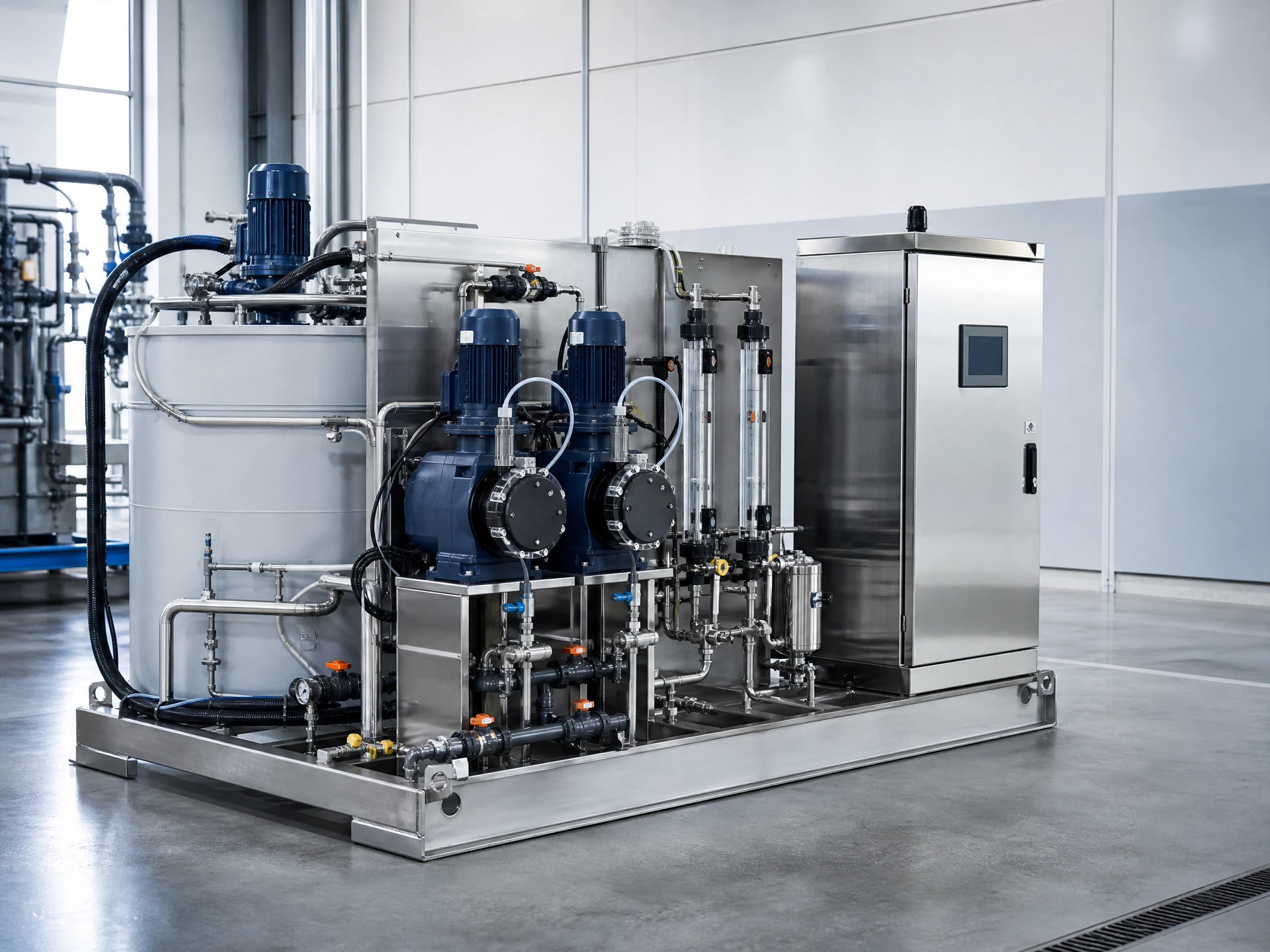
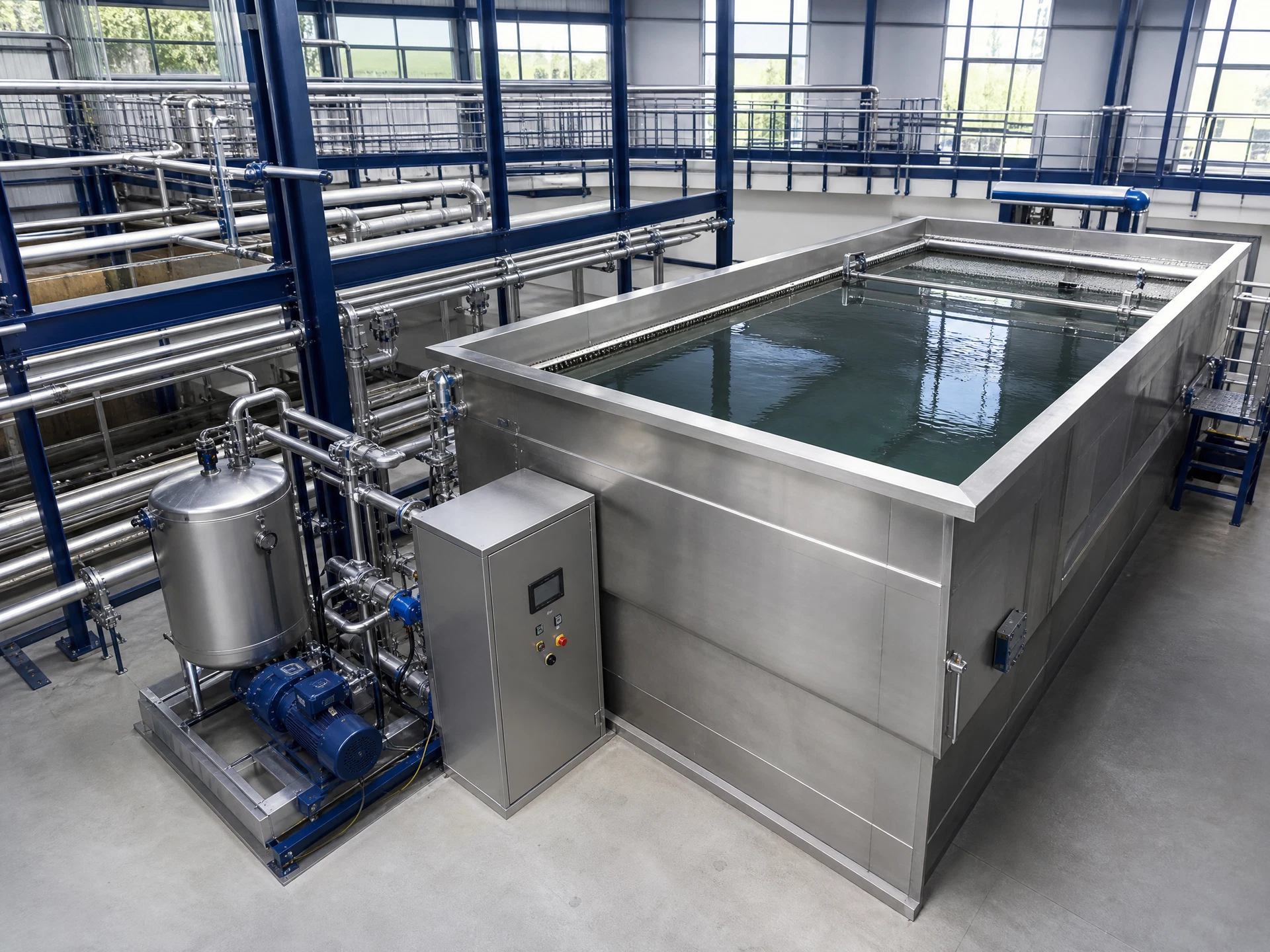
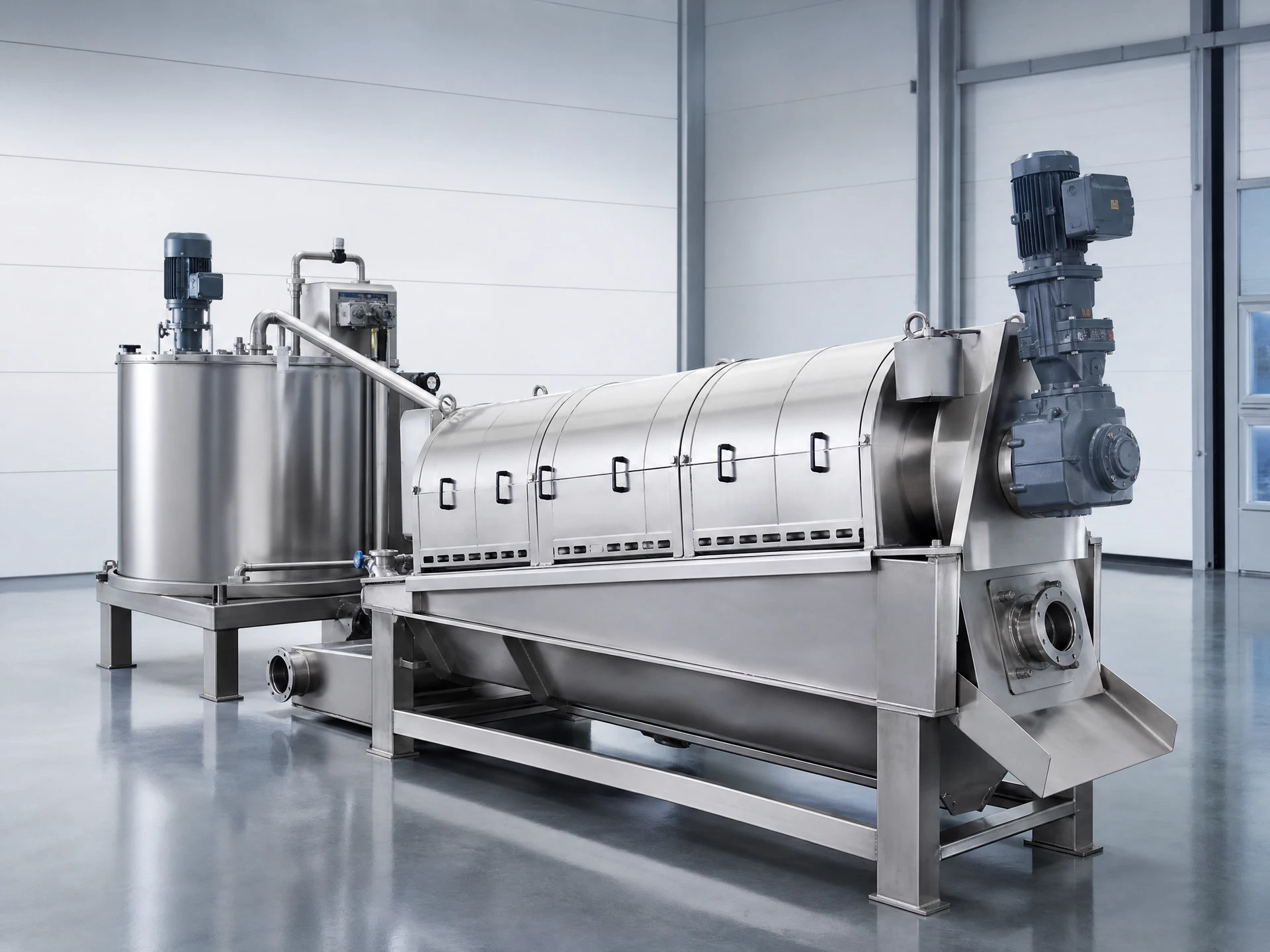
Screening, equalization, dosing, flotation, dewatering and cake management are often delivered or installed across several work packages. The design review should show physical transitions, electrical signals, control responsibilities, access and the response to a downstream stoppage.
Use modular equipment discussion without losing system context
Each equipment module can be reviewed independently, yet the operating line should remain visible. In particular, the separated solids must have a defined collection, conditioning, dewatering and transfer route that matches staffing, housekeeping and site access conditions.
Prepare the RFQ around the operating basis
Source variability, average and peak conditions, expansion expectations, existing equipment, staffing, maintenance access and available layout data should be collected before final scope. This supports a credible technical proposal and clearer cross-package boundaries.